Ahmad Abubakar Gumi: Untold Secret Of Nigerian Controversial Cleric’s Background
- By Metropolix ~
- January 5, 2026 --
- 0 Comment

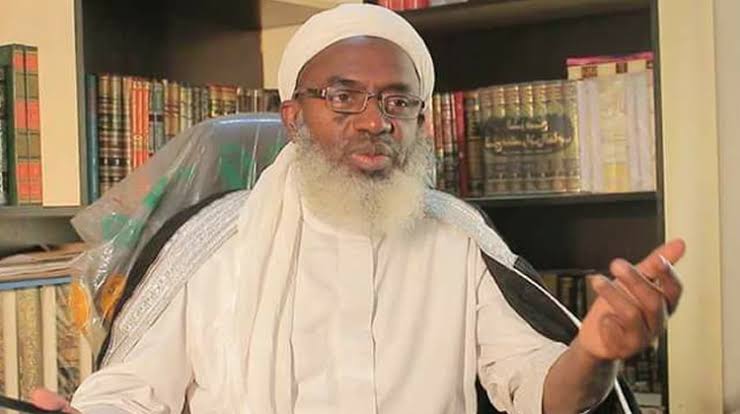
— Sheikh Gumi
By Adeola Idris
one of Nigeria’s most prominent Islamic clerics, Ahmad Abubakar Gumi has continued to attract public attention as many Nigerians rediscover his diverse background spanning medicine, military service, and religious leadership.
Contrary to popular belief, Sheikh Gumi is a trained medical doctor and a former officer of the Nigerian Army Medical Corps, where he served and rose to the rank of Captain before retiring. His military background recently returned to the spotlight following the graduation of his son, Abdulrahman Gumi, from the Nigerian Defence Academy (NDA) as a Second Lieutenant.
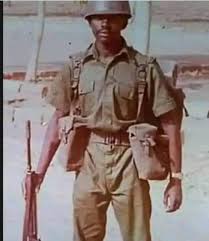
— Young Gumi in military uniform
Born on October 1, 1960, in Kano State, Sheikh Gumi is the son of the late Sheikh Abubakar Mahmud Gumi, a highly respected Islamic scholar and reformer in Northern Nigeria. He studied at Sardauna Memorial College before earning a medical degree from Ahmadu Bello University, Zaria. He later advanced his Islamic education at Umm al-Qura University in Mecca, specialising in Islamic jurisprudence and Qur’anic studies.
After retiring from the army, Sheikh Gumi devoted himself fully to Islamic scholarship and public preaching, becoming a leading cleric at the Sultan Bello Mosque in Kaduna. Over the years, he has gained national prominence for his outspoken views on governance, social justice, and security challenges in Nigeria.
He is particularly known for his controversial peace mediation efforts, engaging directly with armed bandit groups in northern Nigeria through dialogue, medical outreach, and calls for rehabilitation. While his approach has drawn both praise and criticism, it has positioned him as a central figure in debates on security and conflict resolution.
Sheikh Gumi’s estimated net worth is put at around $1 million, derived from his medical career, religious activities, public engagements, and family legacy. Despite this, he is widely regarded as living a modest lifestyle focused on service and humanitarian work.
His life story reflects a rare blend of discipline, faith, and activism, making him one of the most influential and debated religious figures in contemporary Nigeria.
RELATED ARTICLES