How NASS Asked Me To Raise 200Million To Defend My Budget –Dalung Exposes Another Legislative Extortion
- By Metropolix ~
- July 4, 2026 --
- 0 Comment
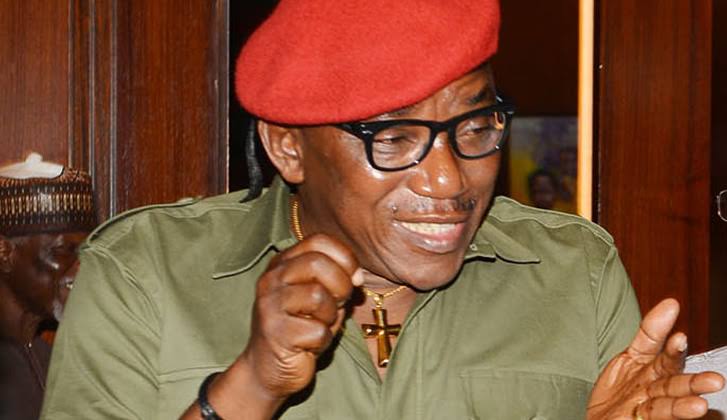
— Solomon Dalung
By Ademola Familua
Amidst the ongoing controversy that involved Chief of Staff to President Tinubu, Femi Gbajabiamila and Prince Adeyemi Mathew’s alleged fake agency, former Minister of Sports, Barr. Solomon Dalung, has exposed a culture of legislative extortion in Nigeria, revealing how a National Assembly committee demanded a staggering ₦200 million bribe from him during his very first budget defense session.
Speaking during a live appearance on Channels Television on Friday, July 3, 2026, Dalung shared the explosive anecdote while discussing institutional corruption amidst the ongoing fake agency scandal involving the Presidential International Peaceful Future Council (PIPFC).
Recalling his early days in the cabinet, Dalung described the brazen manner in which lawmakers allegedly requested a massive kickback immediately after he presented his ministry’s financial estimates:
“When I went to defend my first budget at the National Assembly, after presenting a summary of my budget, I was asked to raise 200 million. I told the committee that, looking at the budget line items, I didn’t see ‘bribe’ listed as one of them, so I didn’t know where I would get 200 million to give them.”
According to Dalung, his witty but firm refusal to comply with the extortion attempt deeply unsettled the committee members. Instead of backing down, the lawmakers immediately bypassed him to find a path of less resistance.
The former minister revealed that after he challenged the legality of the demand, the committee told him, “Okay, Mr. Minister, you’re excused, we’ll take it up with the permanent secretary.” For the remainder of his tenure, Dalung noted, he was systematically sidelined from the fine details of his own ministry’s budget sessions, allowed only to present broad summaries before being asked to leave the room.
Dalung explained that this aggressive gatekeeping by legislative committees is part of a deeply entrenched system designed to compromise public officials. He later learned from a committee chairman that other ministers close to the presidency had routinely paid their dues to ensure smooth passage of their budgets.
By sharing this ordeal, the former minister aimed to contextualize how easily fraudulent operations can slip through federal checks, arguing that when the national budgeting system is heavily driven by illicit financial demands and kickbacks, institutional collapse and massive fraud become entirely inevitable.
RELATED ARTICLES